

Gowns Cleaned With Fabric-First Precision
Wedding Gown Cleaning in Charlotte for stains, embellishment damage, and post-ceremony soiling on delicate fabrics
Carolina Cleaners handles wedding gown cleaning in Charlotte with a method built around the specific fabric, construction, and embellishments of each gown—not a one-size approach applied across every dress that comes through the door. Brides who wore their gowns through outdoor ceremonies, receptions with wine service, or cake-cutting moments typically return with multiple stain types layered across different fabric zones. The cleaning approach accounts for each of those conditions separately before any treatment begins.
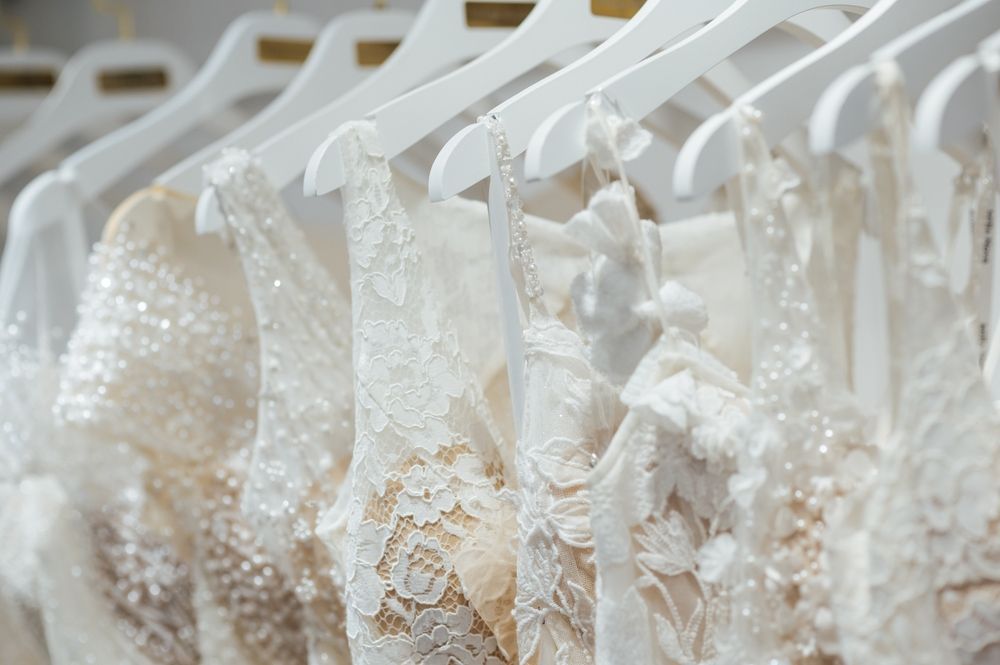
Wedding gowns present a more complex cleaning challenge than most formalwear because a single gown can combine silk charmeuse panels, beaded bodices, lace overlays, and tulle underlayers—each requiring a different cleaning method and handling pressure. Makeup stains along necklines and collars, grass and soil transfers along hemlines, and wine or food marks across the skirt require targeted stain removal using fabric-appropriate solvents rather than generalized immersion cleaning. Sequins, embroidery threads, and glued-on beads can be permanently damaged by cleaning temperatures or agitation levels suited to more durable fabrics, which is why fabric identification happens before any solution is applied.
Schedule a gown assessment to review stain locations, fabric type, and embellishment condition before cleaning begins.
How Gown Cleaning Addresses Delicate Construction
The process starts with a full inspection of the gown's fabric content, structural elements, and visible soiling. Stain types are identified and categorized—oil-based stains from makeup and food behave differently than tannin-based stains from wine or tea, and each responds to a different pre-treatment approach. Embellishments are individually assessed: heat-set stones require different handling than hand-sewn beads, and metallic embroidery threads can oxidize under certain cleaning agents if not protected properly.
After cleaning, you will notice that hemline discoloration—often the most visible post-wedding staining—is significantly reduced or removed, and that the gown's fabric returns to its original hand and drape rather than feeling stiff or flattened. Embellishments remain intact and positioned correctly, without the loose threads or missing stones that can result from aggressive handling. The finishing process restores structure to the bodice and fullness to multi-layer skirts without introducing press marks on delicate surfaces.
Gowns are returned after a post-cleaning inspection confirms that all treatment areas have been addressed and that the finishing meets the standard required for preservation or re-wear. Brides planning to store their gown long-term should note that cleaning before storage is a critical step—residual stains, particularly sugar-based ones from cake or champagne, can oxidize and become permanent over time even when invisible immediately after the event.
Common Questions About Wedding Gown Cleaning
Wedding gown cleaning questions often center on timing, fabric risk, and what to expect from the process. The answers below address the details most relevant to brides in Charlotte considering cleaning after their ceremony.
What types of stains are most common on wedding gowns, and how are they treated?
Foundation and lipstick transfers along necklines are oil-based and require solvent pre-treatment, while champagne and cake stains are sugar-based and need water-based removal—applying the wrong chemistry to either can set the stain permanently rather than lifting it.
How are beads, sequins, and embroidery protected during cleaning?
Each embellishment type is assessed before cleaning begins, and agitation levels, temperature settings, and solution contact time are adjusted specifically to avoid stress on decorative elements that may be glued, sewn, or heat-set onto the fabric.
When should a gown be cleaned after the wedding?
Cleaning within a few weeks of the event gives the best results because stains that appear faint or invisible immediately after a reception—particularly champagne and white wine—can oxidize and become permanent brown discolorations if left untreated for months.
Why does fabric type affect which cleaning method is used?
Silk organza, duchess satin, and chiffon each respond differently to moisture, heat, and mechanical action—a method that cleans polyester satin effectively can cause irreversible water spotting or shrinkage on natural silk.
What does the finishing process involve after cleaning is complete?
Charlotte's humidity levels can affect how fabrics respond during finishing, so pressing techniques and drying conditions are adjusted to restore shape and surface texture without introducing moisture-related distortion to structured bodice sections or multi-layer skirts.
Carolina Cleaners reviews each gown individually before any cleaning method is selected, which means the approach applied to your dress reflects its actual construction—not a standard protocol. Bring your gown in for an inspection so the correct cleaning plan can be developed based on fabric content, embellishment type, and stain locations.