

Caring for Garments That Cannot Be Replaced
Vintage Clothing Cleaning in Charlotte for aging fabrics, fragile construction, and garments showing signs of discoloration or seam stress
Carolina Cleaners provides vintage clothing cleaning in Charlotte for garments where standard dry cleaning methods carry too much risk. Vintage pieces—whether sourced from estates, curated shops, or personal collections—often combine fragile seams, aged dyes, and construction techniques that modern machines were never built to handle. The cleaning process for these garments requires a preliminary assessment before any solvent or water contacts the fabric.
Each garment is inspected individually for fragile seam integrity, existing discoloration, aging material composition, and the condition of any embellishments before a cleaning method is selected. Older fabrics, particularly those from mid-century or earlier decades, often lose tensile strength over time—what holds together through display may not hold together through an aggressive cleaning cycle. Conservative stain treatment techniques are applied to minimize the chance of setting stains deeper or weakening already stressed fibers. The goal is to address visible soiling and odor without altering the garment's original texture, drape, or details.
Request a garment evaluation to review the specific fabric composition and condition of your vintage piece before any cleaning begins..
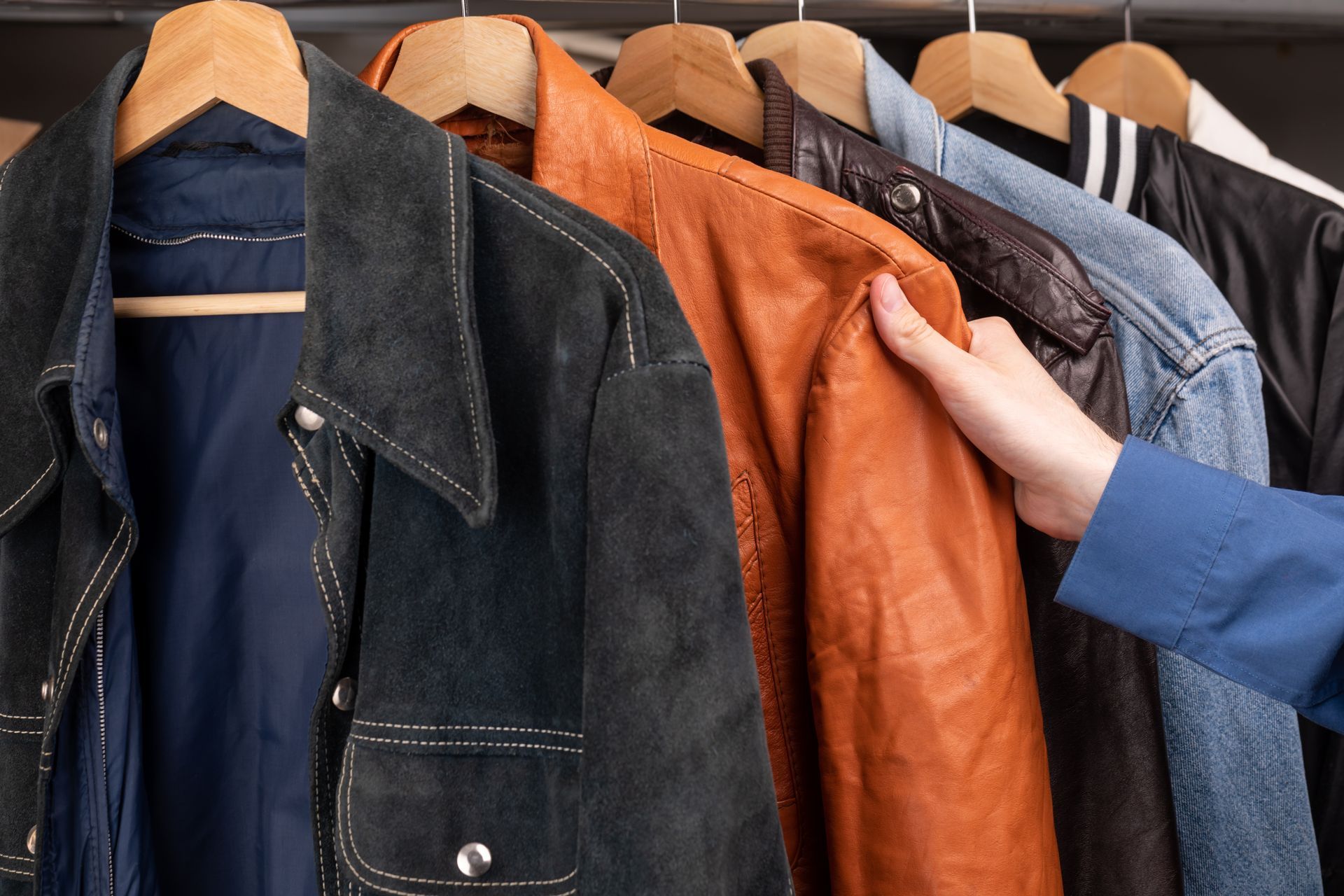
How Vintage Fabric Assessment Shapes the Cleaning Approach
The assessment phase is not a formality—it directly determines which cleaning pathway the garment enters. Fabrics from different eras were produced under different manufacturing standards, and a piece from the 1940s may behave very differently than one from the 1970s even if both appear to be wool. Checking for dye stability, seam construction type, and the presence of metal hardware or applied embellishments narrows down which solvents, temperatures, and agitation levels are appropriate for that specific item.
After cleaning, garments return with their original character intact—the same texture underfoot, the same hand-stitched details visible, the same aged hardware undisturbed. What clients typically notice is the removal of embedded odors and surface soiling that had accumulated over years of storage, without the flattened appearance or fiber damage that can result from conventional processing. Structural elements like pleats, shoulder shaping, and collar construction remain as the original maker intended.
Stain treatment on vintage clothing follows a conservative, stepwise approach: the mildest effective method is applied first, and more aggressive options are only considered if the fabric shows it can tolerate them. Some stains—particularly those that have oxidized over decades—cannot be fully removed without risk to the surrounding fibers, and that tradeoff is communicated clearly before work proceeds. Carolina Cleaners does not apply a uniform cleaning protocol to vintage garments; the condition and construction of each piece shapes every decision made.
Common Questions About Vintage Clothing Cleaning
Vintage garment care raises specific questions that standard dry cleaning information rarely covers. The answers below address the details most relevant to clients bringing older or fragile pieces in for cleaning.
What happens during the initial fabric assessment?
Each garment is examined for seam strength, dye stability, fiber type, and the condition of any decorative elements—this determines which cleaning method is safe for that specific piece rather than applying a general process.
How are stains handled on fabrics that may not tolerate standard solvents?
Stain treatment begins with the most conservative technique available, and if a stain has been set by age or oxidation, you will be informed of the risk before any stronger method is attempted.
Why does construction type matter as much as fabric type?
A garment with hand-stitched seams or basted internal structure may come apart under the same agitation that a machine-sewn piece handles easily—seam construction is evaluated alongside fiber composition during intake.
When is cleaning not advisable for a vintage piece?
If a garment shows active fiber degradation, shattered silk, or extreme seam separation, cleaning may accelerate deterioration rather than slow it, and that assessment is shared before any work begins.
What should Charlotte residents know about storing vintage clothing after cleaning?
Charlotte's humidity levels can contribute to mold growth and fabric deterioration in enclosed storage spaces—cleaned garments should be stored in breathable cotton covers rather than plastic, and away from direct moisture exposure.
Carolina Cleaners welcomes clients who want to discuss a specific garment's condition and history before committing to a cleaning appointment—bring the piece in for a no-obligation review so the appropriate care pathway can be identified.