
Uniforms Cleaned Without Compromising Their Detail
Military Uniform Cleaning in Charlotte for stain removal and professional finishing around insignia, ribbons, and decorative components
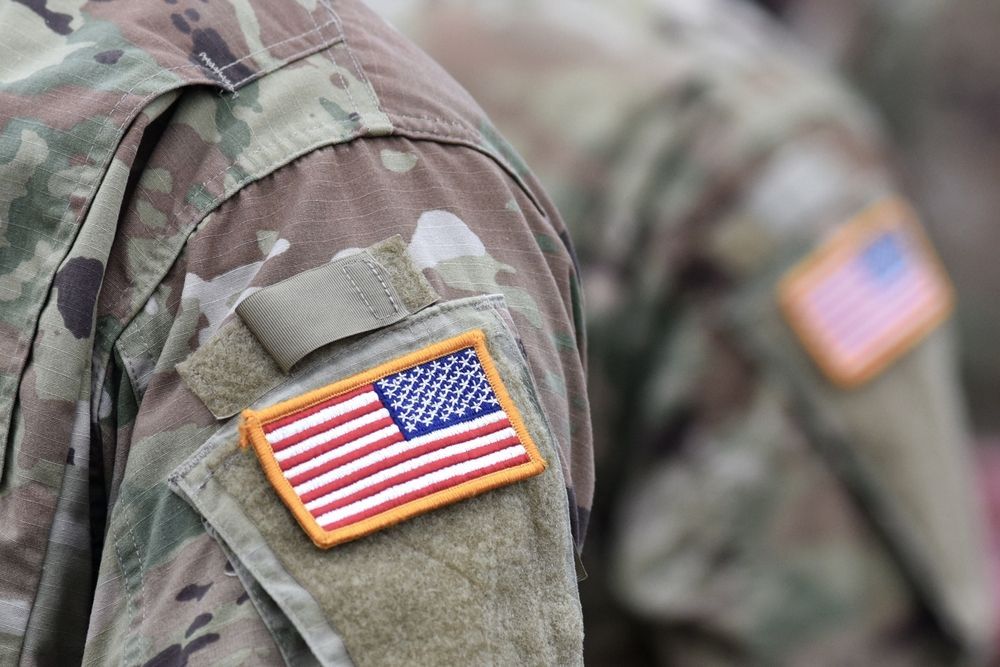
Military uniforms carry both functional and ceremonial significance, and the cleaning process needs to account for both. Carolina Cleaners provides military uniform cleaning in Charlotte for active duty personnel, veterans, and family members who need uniforms maintained to inspection-ready standards without risking damage to the decorative and identifying components attached to them. The distinction matters because insignia, ribbons, patches, and medals are not simply decorative—they represent rank and service history, and incorrect cleaning can distort, discolor, or loosen them permanently.
Military uniform fabrics range from polyester-wool blends in dress uniforms to ripstop nylon and cotton in utility and combat variants, and each fabric category responds differently to cleaning agents, water temperature, and mechanical agitation. Dress uniforms with sewn-on ribbons and embroidered patches require gentler immersion conditions and lower agitation than a utility uniform with fewer embellishments. Metallic buttons and insignia can tarnish or oxidize if exposed to incompatible cleaning chemistry, even briefly—so the cleaning solution selection starts with fabric and hardware identification, not a default protocol applied to every uniform that arrives.
Bring your uniform in for an inspection so fabric type, insignia placement, and stain locations can be reviewed before any cleaning method is selected.
What You Notice Once the Finishing Is Complete
The cleaning process begins with a full inspection of the uniform's fabric, hardware, and embellishments. Stains from dirt, food, and perspiration are categorized by type and location before pre-treatment is applied—perspiration staining along collar and cuff edges requires different chemistry than mud or food transfers on trouser legs. Areas adjacent to ribbons, medals, and patches are treated with particular care to avoid introducing moisture or solvents in ways that could migrate under the embellishment and affect adhesive or thread integrity beneath it.
After cleaning and finishing, the uniform holds its structured, pressed appearance with sharp creases in trouser legs and jacket sleeves set to service specification rather than a general press that approximates the correct angle. Ribbon rows are aligned correctly after handling, buttons retain their finish without oxidation or streaking, and fabric surfaces appear uniform in color without tide marks from uneven moisture application during the cleaning process. Carolina Cleaners returns each uniform in a condition appropriate for ceremony, inspection, or display.
Uniforms that have been in storage for extended periods—particularly in Charlotte's humid conditions—may show mildew spotting or odor that requires specific treatment before standard cleaning can proceed. Uniform components that have been heavily starched previously may also need a preparatory step to remove starch buildup that can yellow fabric or interfere with even cleaning. These are factors identified during the initial inspection rather than discovered mid-process.
Answers to Frequent Uniform Service Questions
The questions below address common concerns from military members and families about what the cleaning process involves and how uniform components are protected throughout.
How are medals and ribbons protected during cleaning?
Ribbons and medals are inspected individually before cleaning begins, and areas directly adjacent to those components receive controlled spot treatment rather than full immersion to prevent moisture or solvent contact with metal hardware or ribbon fabric that may not be colorfast.
What fabric types are used in military uniforms, and why does that matter for cleaning?
Army Service Uniforms typically use a polyester-wool blend, while Navy dress whites use polyester or cotton-polyester—each has different shrink tolerance, heat sensitivity, and response to water-based versus solvent-based cleaning, which is why fabric identification is the first step before any cleaning decision is made.
When should a military uniform be cleaned before a ceremony or formal event?
Cleaning at least one to two weeks before a scheduled ceremony allows time for any stain retreatment or finishing adjustments if the initial review identifies conditions that need additional attention—last-minute cleaning leaves no margin for those corrections.
Why does Charlotte's humidity affect how stored uniforms are cleaned?
High ambient humidity can cause wool-blend fabrics to absorb moisture during storage, which creates conditions for mildew development and odor even in sealed garment bags—uniforms stored locally may need odor treatment as a first step before cleaning addresses visible staining.
What pressing standards are used for military dress uniforms?
Creases in dress uniform trousers and jacket sleeves are pressed to service-branch specifications using steam and a pressing cloth, with crease angle and placement set according to the branch's uniform regulation standards rather than a general formalwear press.
Carolina Cleaners gives each uniform the individual inspection it requires before any treatment begins—insignia placement, fabric content, and stain type all factor into the approach used. Drop off your uniform so a cleaning plan appropriate to its specific construction and condition can be developed.