

Preserving a Gown Before Time Alters It
Wedding Dress Preservation in Charlotte for gowns with lace, beading, silk, or satin that require cleaning before long-term archival storage
What makes wedding dress preservation technically different from standard dry cleaning is the sequence: the gown must be cleaned thoroughly before it is packaged, because any oils, champagne residue, or invisible sugar-based stains left in the fabric will oxidize over years and emerge as permanent yellowing that no future cleaning can reverse. Carolina Cleaners structures the preservation process around this sequence, treating the cleaning phase as the foundation that determines how well the gown holds up over the following decades.
Delicate fabric care for preservation-bound gowns addresses the full range of materials typically found in bridal construction—lace overlays, beaded appliques, embroidered bodices, silk charmeuse panels, and satin skirts each require specific handling to avoid fiber stress during the cleaning process. Beading is particularly vulnerable to heat and solvent exposure, which can loosen the thread anchoring individual beads before the gown ever enters storage. Lace, especially older or heirloom lace incorporated into the design, is inspected for existing fragility before cleaning agents are selected.
Arrange a gown assessment to review the fabric composition and stain locations on your dress before the preservation process begins..
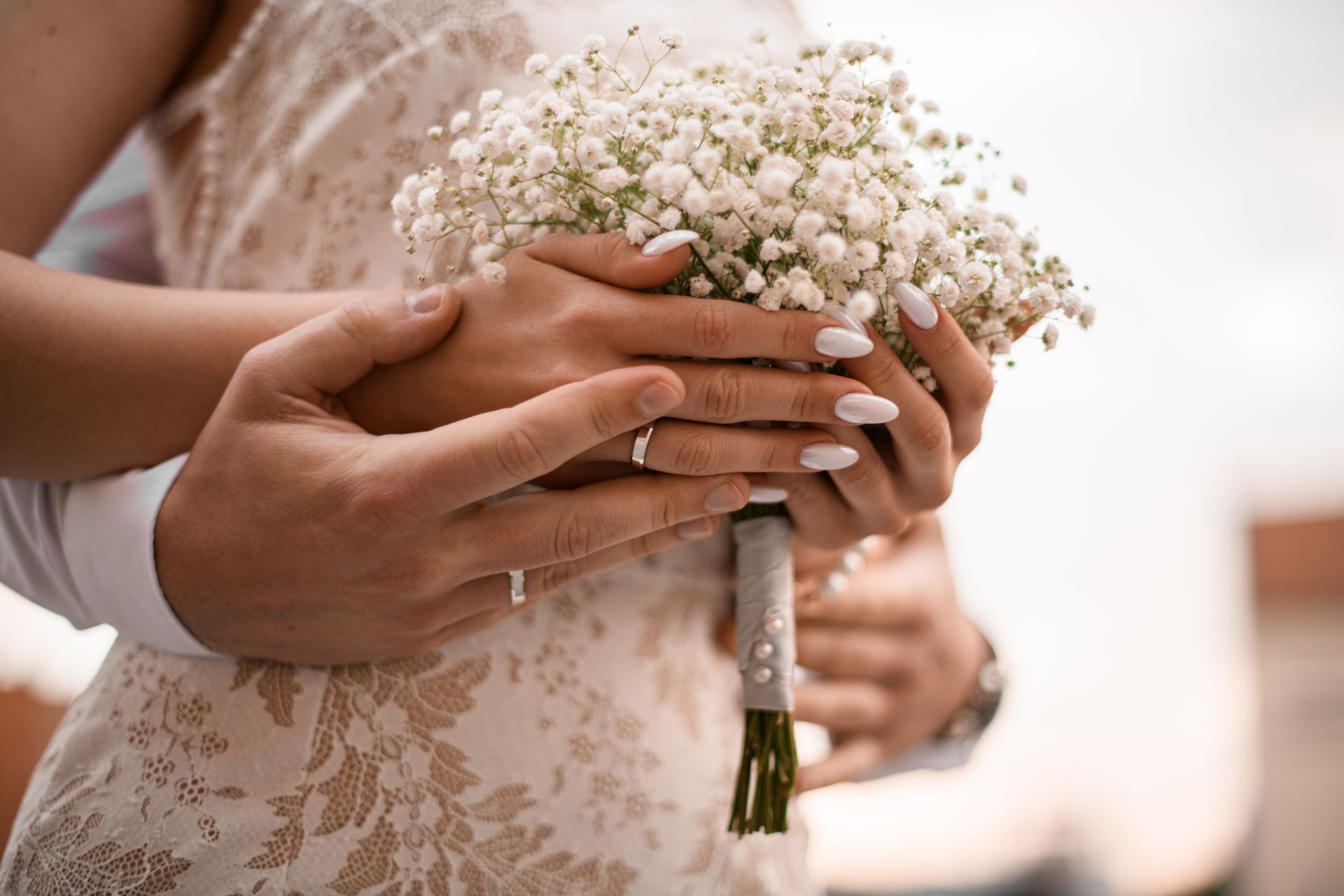
What Changes After Preservation Is Completed
After cleaning, gowns are preserved using acid-free, archival-quality materials—tissue and boxes that resist the off-gassing that causes yellowing in standard packaging. This distinction matters because ordinary cardboard and non-archival tissue contain lignin and acids that transfer to fabric over time, breaking down fibers and creating the yellowed, brittle appearance associated with improperly stored gowns. Acid-free preservation materials are chemically inert, meaning they do not interact with the fabric regardless of how long the gown remains in storage.
Once the process is complete, the gown is folded with archival tissue cushioning each fold to prevent permanent crease lines from forming along stress points in the fabric. Clients who open the preservation box years later will find the gown in the same condition it was sealed in—free from the brown fold lines, yellowed bodice panels, and musty odors that develop when gowns are stored in standard garment bags or non-archival boxes. These are the visible indicators that preservation was done correctly.
Carolina Cleaners documents the stains present on the gown before cleaning begins and again after treatment, so clients have a clear record of what was addressed and the condition of any areas where full stain removal was not achievable without risk to the surrounding fabric. Some stains—particularly those from sugar-based beverages that have already begun oxidizing—may be significantly reduced but not fully eliminated, and that outcome is communicated before preservation packaging proceeds. Storage environment after pickup also affects long-term results: preserved gowns should be kept in a climate-stable interior space, away from attics or exterior walls where Charlotte's seasonal temperature swings can stress even archivally packaged fabric..
Questions Before Starting Your Preservation
Wedding dress preservation involves decisions that affect how a gown holds up over many years, and clients frequently have questions about timing, materials, and what the process actually includes. The following covers the most common considerations.
How soon after the wedding should the dress be brought in for preservation?
Sugar-based stains from cake, beverages, and fruit begin oxidizing within days of exposure and become increasingly difficult to address without risk to surrounding fabric—bringing the gown in promptly after the event gives cleaning the best opportunity to address these before they set.
What does acid-free preservation actually prevent?
Acid-free tissue and archival boxes eliminate the chemical reaction between packaging materials and fabric fibers that causes yellowing, brittleness, and the musty deterioration associated with long-term storage in non-archival conditions.
Why are beaded and embroidered gowns more complex to clean before preservation?
Each embellishment type has a different tolerance for solvent exposure and heat—beads anchored with cotton thread may loosen under conditions that would be safe for the base fabric alone, requiring the cleaning approach to account for the most vulnerable element present.
What happens if a stain cannot be fully removed?
Any stain that cannot be fully addressed without risk to the surrounding fabric is documented and disclosed before the gown is packaged, so clients understand exactly what condition the dress is in when it enters long-term storage.
How does Charlotte's climate affect gown storage after preservation?
Preserved gowns stored in spaces that experience Charlotte's summer humidity fluctuations—particularly attics and garages—can develop moisture-related damage even inside archival packaging, making interior climate-controlled storage the recommended long-term location.
Carolina Cleaners can walk you through the full cleaning and preservation process specific to your gown's fabric and construction—bring your dress in for an evaluation so the appropriate care pathway can be confirmed before any work begins.